The raw ingredients of a candle are basic: wax, wick, color, and fragrance. The process of combining these ingredients into a product is more a matter of philosophy than of mechanics. The making of a candle is an exercise in transforming the basic into the significant, where every decision—no matter how minor—reflects purpose, style, and artistic philosophy. In the making of a candle, you will see how the raw materials of life can be transformed into vessels for mood and thought.
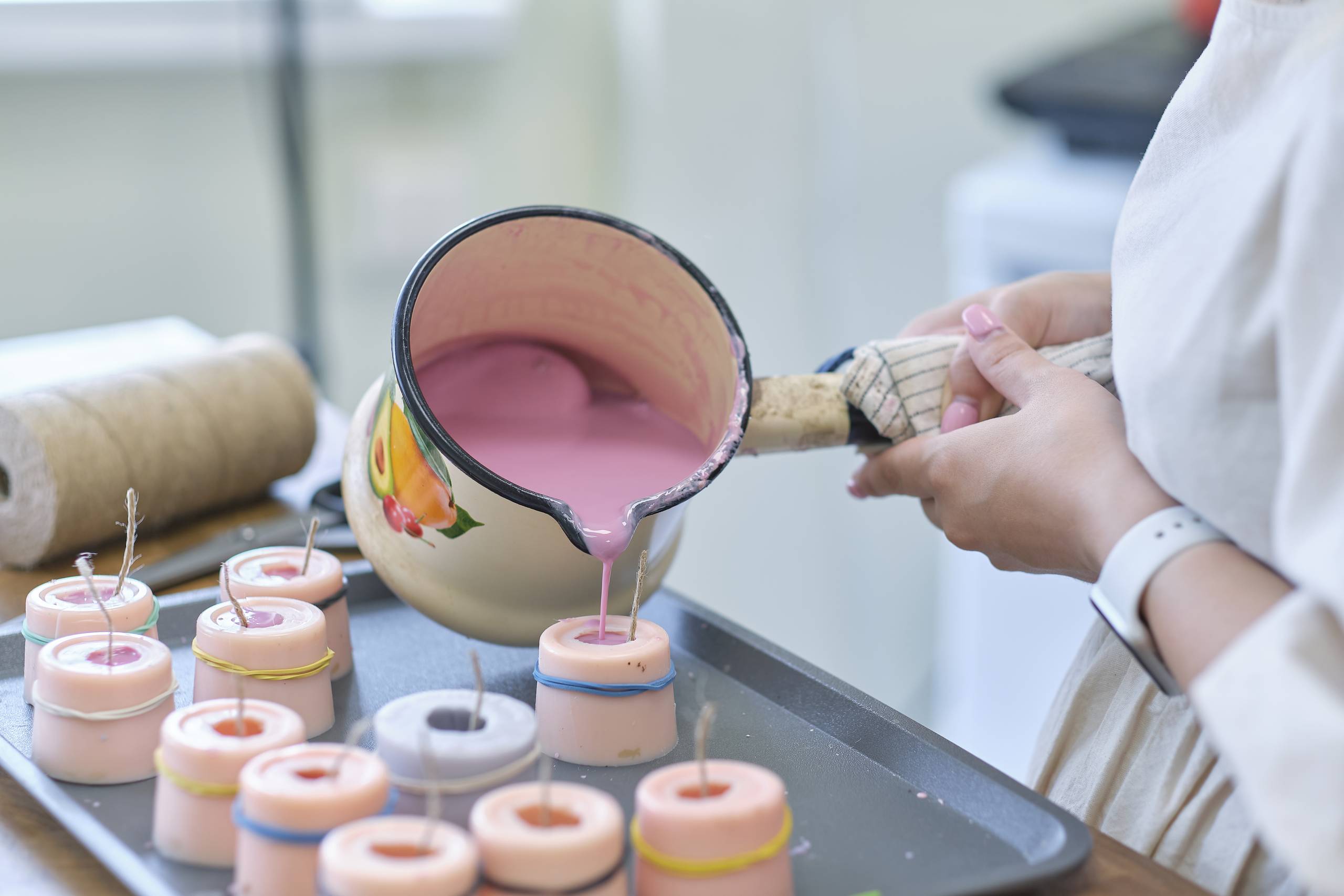
Candle making is a lesson in control and surrender. You control the wax as it melts and pour it into a mold, but once the wax hits the mold, you have no control over how it will solidify. Sometimes the wax will form into perfect, smooth pools of wax. Other times, the wax will develop strange, lumpy, bumpy protrusions. You can control how much fragrance you add to the melted wax, but once you add it to the wax, you have little control over how the fragrance will evolve once the wax has solidified. This aspect of candle making will teach you to be flexible and to have patience. It will teach you to see a process in terms of long-term results, rather than instant gratification.
Aesthetics play a significant role in the making of a candle. You can choose a simple cylindrical shape or a more complex multi-faceted design. The color of the candle can be a single color, multi-colored, or a unique marbled effect. Once you have poured the wax into the mold, you can do little to control the shape or color of the candle. However, once the wax has solidified and the wick has been trimmed, you can shape the candle into a variety of shapes by carving patterns into the surface of the candle. The shape and color of the candle will significantly affect the way that the candle fits into a room and the way that the candle burns. An intricately designed candle will cast eerie, flickering shadows on the walls and ceiling, and will burn with an unpredictable flame.
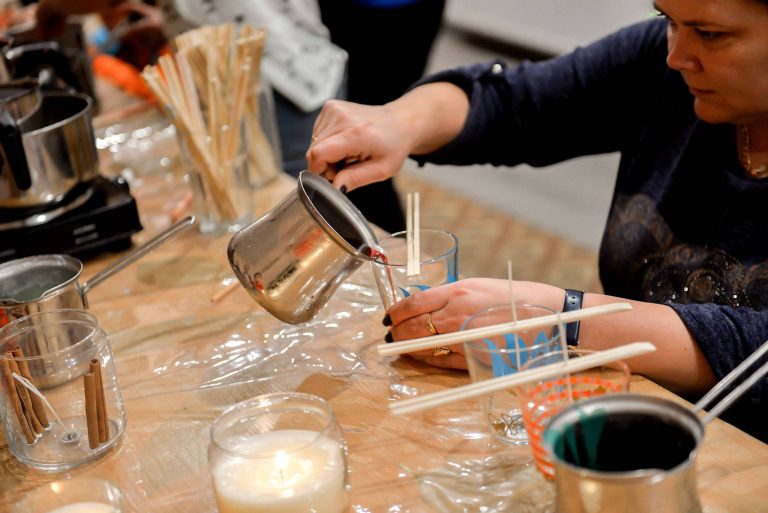
Candle making is a lesson in discipline and practice. It takes time and practice to learn the simple techniques of melting wax, mixing in colorants and fragrances, and pouring the hot wax into a mold. It takes time and practice to learn how to predict what the wax will do once you have poured it into the mold. As you repeat the various steps involved in the making of a candle, you will develop a sense of rhythm and continuity. This rhythm and continuity will guide you as you develop your craft, giving you confidence to experiment and try new designs and techniques.
In essence, candle creation is a journey from raw material to meaningful object. It demonstrates how attention to detail, sensitivity to change, and clarity of intention can elevate simple components into expressive forms. Through this journey, the craft offers not only tangible results, but also a deeper understanding of how creativity emerges from the interaction between material, process, and vision.